The Victorian Petticoat: When Lace Gave Life to the Gown
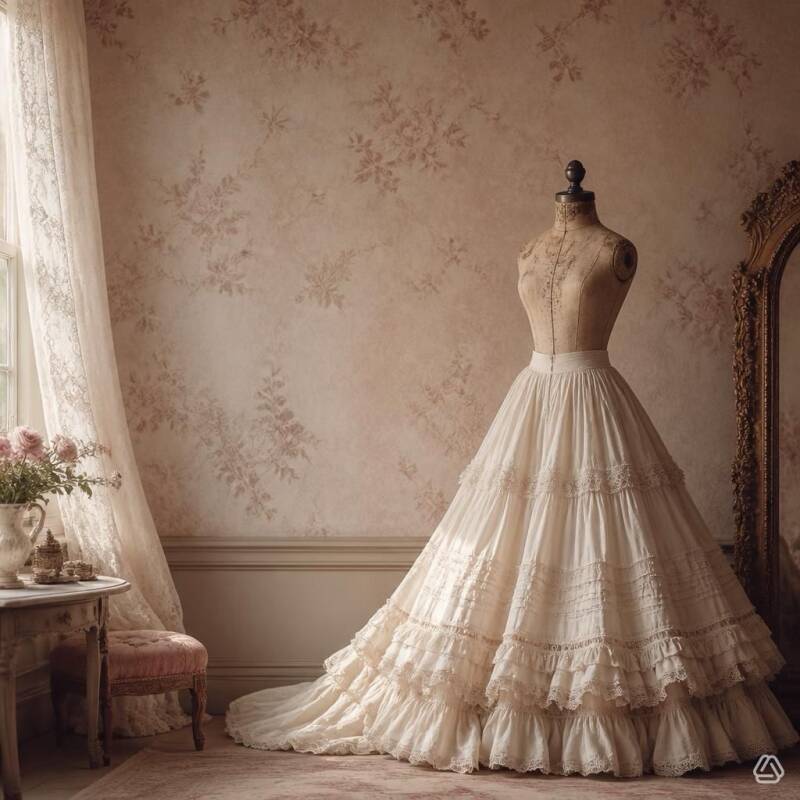
In the 19th century, the feminine silhouette became a true work of art. Far more than a simple undergarment, the Victorian petticoat shaped the volume of the crinoline, blending airy ruffles, fine embroidery and yards of lace to create a majestic, poetic way of moving.
In those days, a dress was not only seen: it was built. Beneath the visible skirt hid a whole world of petticoats, flounces and lace, which gave the elegant woman her unmistakable silhouette.
Petticoats for volume
At the beginning of the century, women wore several petticoats, sometimes reinforced with horsehair, to support the fullness of the skirt. The word "crinoline" comes from exactly that: the French crin (horsehair) and lin (linen). Around the middle of the century, the famous steel-hoop crinoline appeared. It allowed immense yet lighter skirts, which dominated fashion in the 1850s and 1860s. Later, the fullness moved to the back with the bustle.
Lace: from rare luxury to everyday ornament
Lace was once an expensive luxury, made by hand by lacemakers. In the 19th century, mechanical looms, such as the Leavers machine in Nottingham and later those of Calais, made lace more affordable. It spread to collars, sleeves, bodices and petticoats. It was no longer just decoration: it played with transparency and added movement to every step.
A famous bridal lace
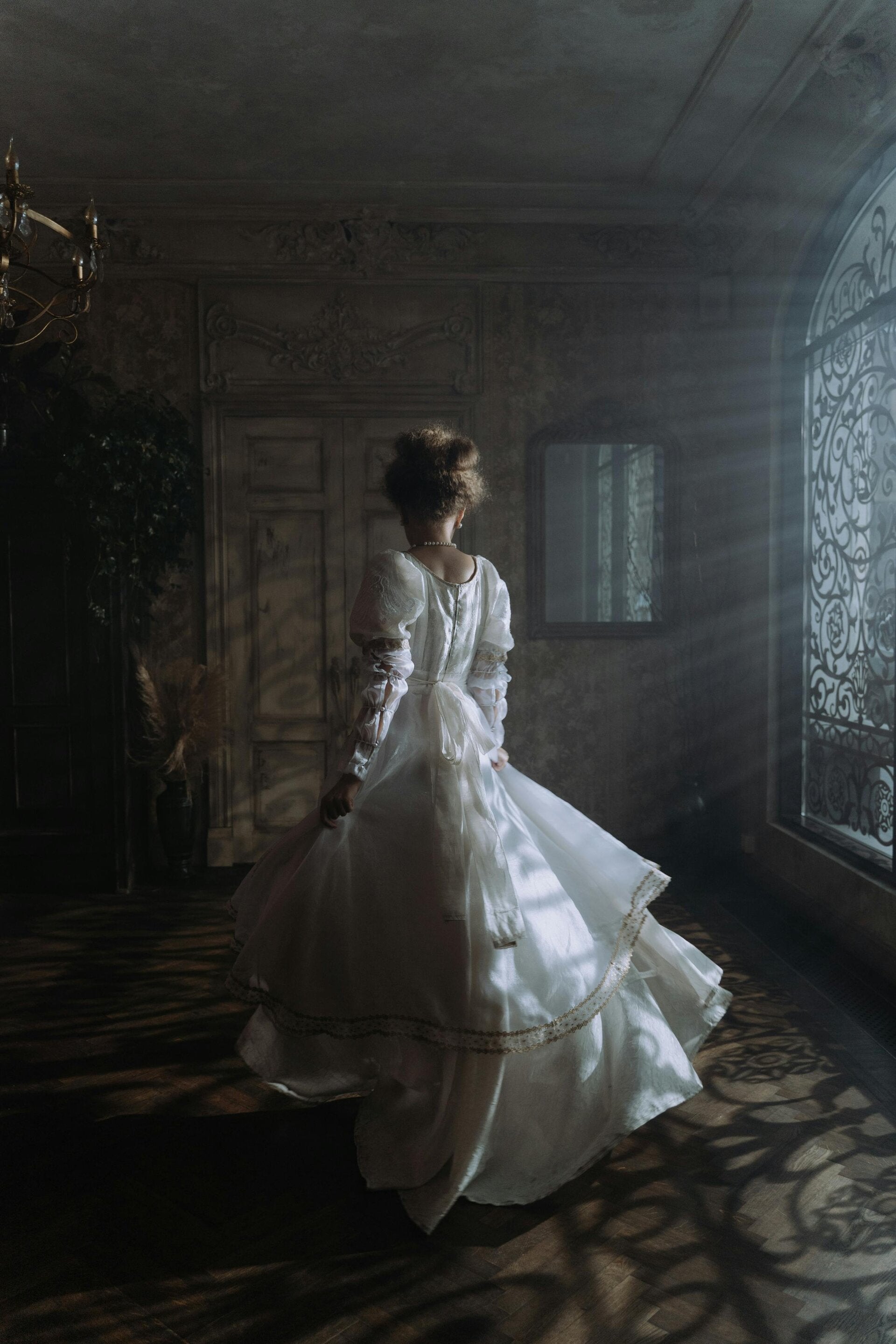
In 1840, Queen Victoria chose a white gown trimmed with lace for her wedding. That image marked an era and made the white, lace-trimmed bridal gown a lasting tradition that still exists today.
Why this era still fascinates us?
Victorian petticoats speak of patience, craftsmanship and refinement. They remind us that a beautiful silhouette is also a matter of invisible layers. The same romantic spirit lives on in vintage fashion and in today's princess gowns.