The Nineteenth century : The Golden Age of lace  

The nineteenth century was a particularly important period for lace.

Women's fashion gave it a considerable place.

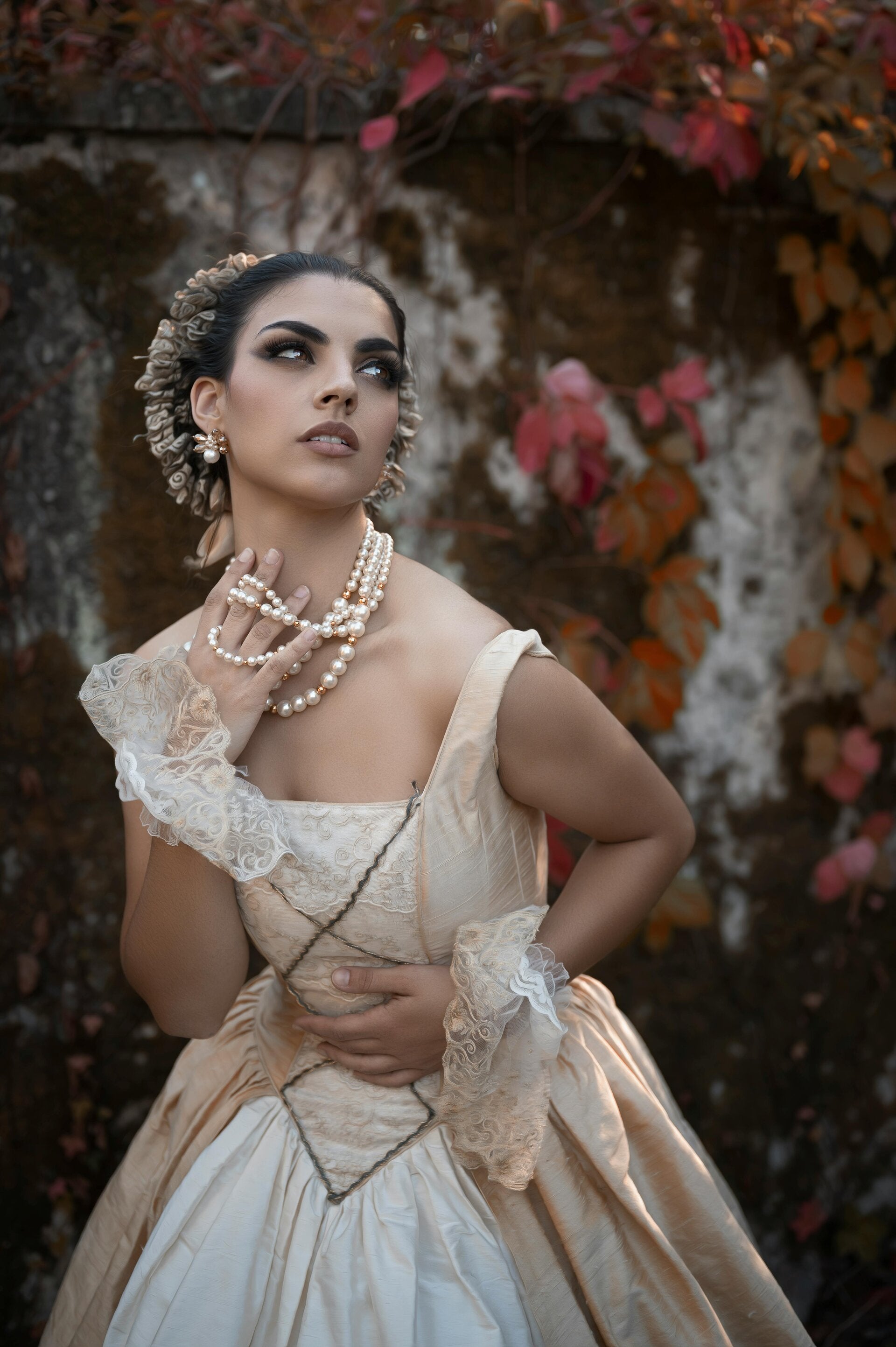
It adorned dresses, sleeves, bodices, collars, petticoats and undergarments.

In the Victorian era, women often wore several layers of clothing and lingerie, allowing lace to play with transparency and layering.

Petticoats, in particular, became magnificent supports for ruffles, embroidery, ribbons and lace.

Lace was no longer merely decoration: it became a full part of the silhouette and of the movement of the garment.

The sublime craftsmanship of the 19th century

During the Victorian era, lace reached an unmatched level of technical skill. Whether made with a needle or bobbins, each piece is a masterpiece of delicacy, dressing high collars, cuffs, and airy veils with endless grace.

The legacy of timeless elegance

These sumptuous adornments cross eras without losing any of their poetry. Celebrating the golden age of lace is about honoring the love for detail, the nobility of old materials, and the pure beauty of romantic textile craftsmanship.

Sculpted corsets and majestic petticoats

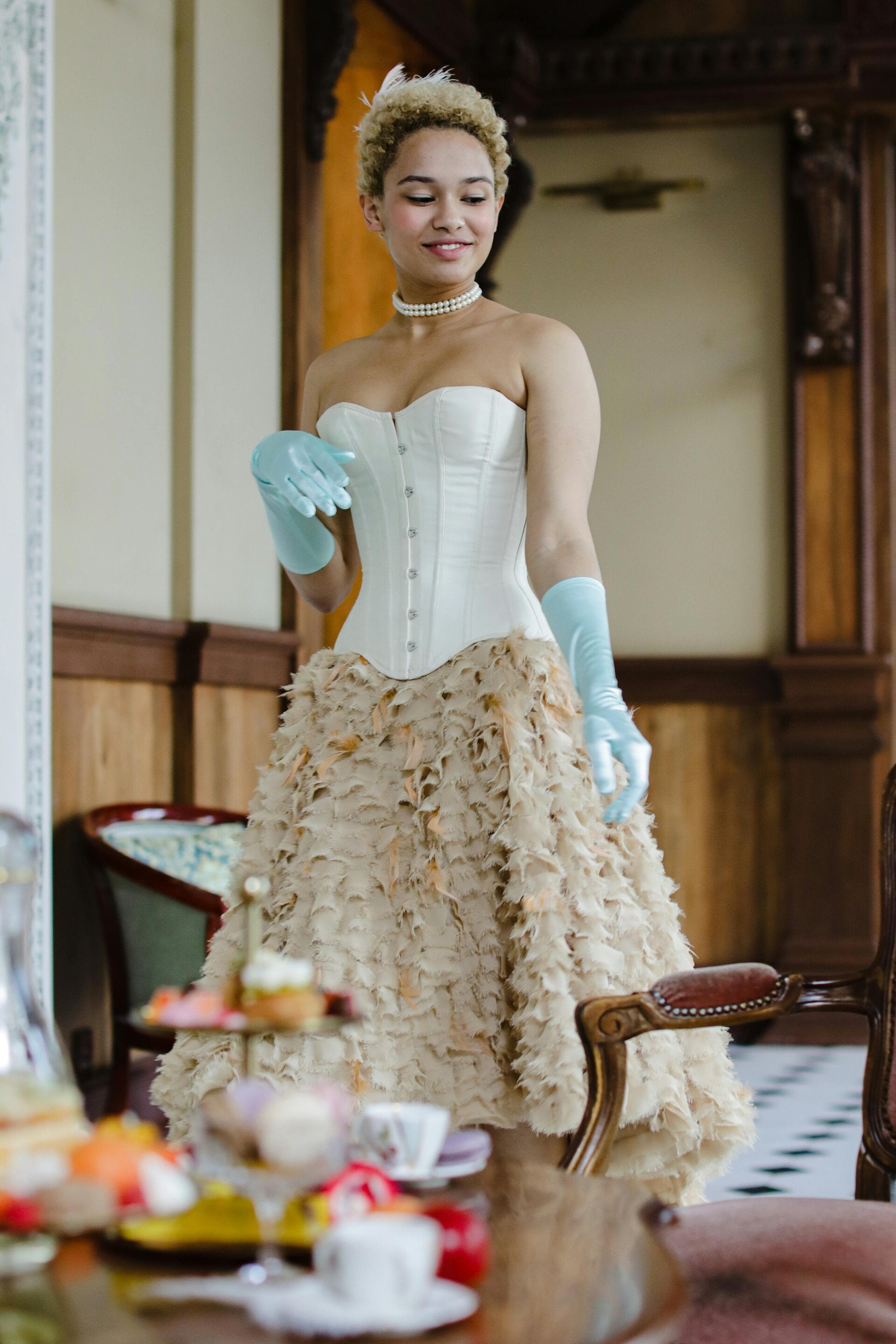
The Victorian silhouette celebrates structure and opulence. Under the embroidered fabrics, the delicately fitted corsets and skirt ruffles create those spectacular shapes that have shaped the fairytale imagination of princess dresses and wedding outfits of the past.

Lace would keep this central role well beyond the nineteenth century