The history of lace

The origins: an exquisite craft
Lace emerged in Europe during the sixteenth century, blossoming in Venice and Flanders as a symbol of supreme refinement. Created stitch by stitch with extraordinary patience, needle lace and bobbin lace captured the imagination of aristocrats and fashion connoisseurs alike, evolving into an eternal expression of romantic craftsmanship.
Lace, born in the secrecy of 16th-century European workshops, still whispers today the story of patient hands and quiet elegance. Between refined Italy and industrious Flanders, it first blossomed as a rare art, reserved for royal courts and noble silhouettes, where every motif spoke of wealth, rank and a taste for exquisite detail. Worked with a needle or on bobbins, it gradually became a textile language, each region writing its own soul, gestures and memory into it. It adorned delicate collars, airy cuffs and sumptuous gowns, accompanying the centuries with grace. Even today, lace remains a breath of history and poetry, a precious bond between tradition and dream, where every thread seems to hold a spark of eternity.

French prestige: Alençon, Chantilly, Calais...
Under royal patronage, France created prestigious lace centers whose reputations endure today. The queen of needle laces, point d'Alençon, captivated royal courts with its sculptural motifs, while Chantilly captivated the world with delicate black silk bobbin lace, beloved for shawls, royal veils, and romantic evening gowns.

The Golden Age and Bridal magic
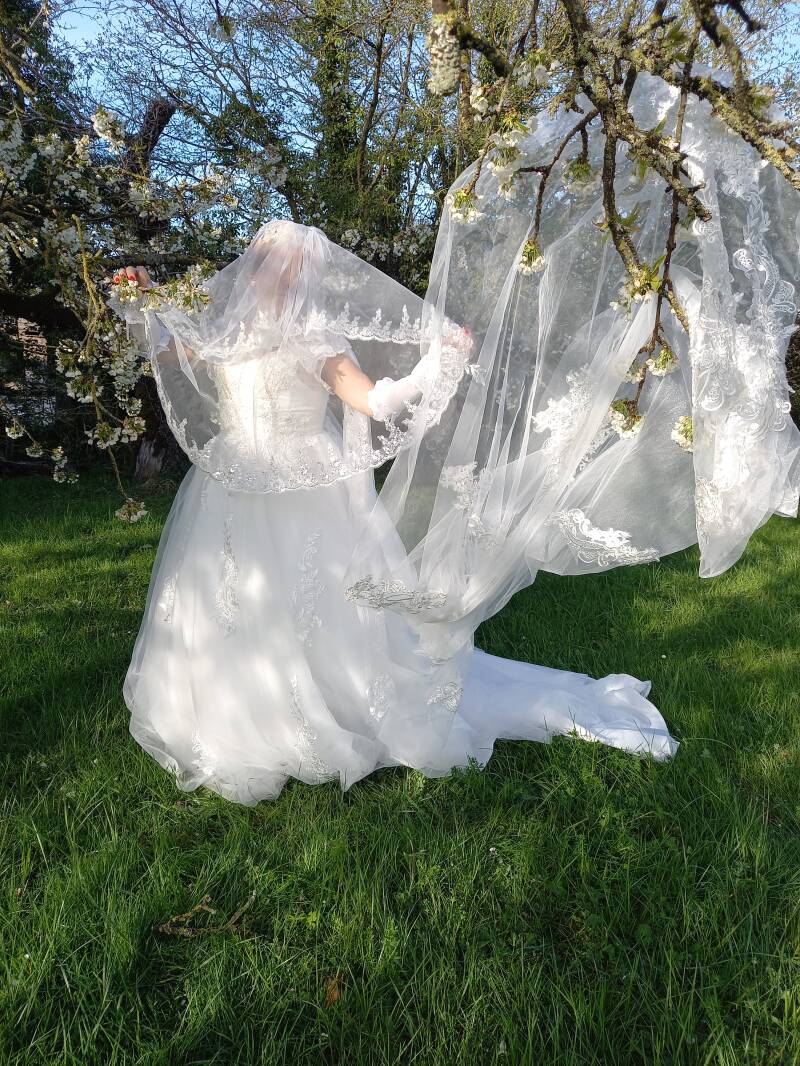
The nineteenth century marked the golden era of lace, where Calais perfected mechanical lace on Leavers looms without sacrificing poetic beauty. Today, lace remains the beating heart of bridal fashion, wedding dresses, and royal silhouettes, carrying deep emotions, timeless elegance, and fairy-tale romance across generations.